Sash windows in Dorking: uPVC first, aluminium and timber where they fit
Most of the Victorian town was built with vertical sliding sashes, from the Land Society plots round Tower Hill to the 1890s terraces off South Street. This page explains which kind of replacement sash suits which house.
Which Dorking houses have sashes
Broadly, anything built between the railway's arrival in 1849 and the end of the century: Tower Hill, Arundel and Howard Roads, Cliftonville, and the terraces on Rothes, Ansell, Wathen and Hart Roads. The older houses on West Street and South Street have sashes too, though many of those are listed and take a different route.
uPVC sliding sash: the usual choice
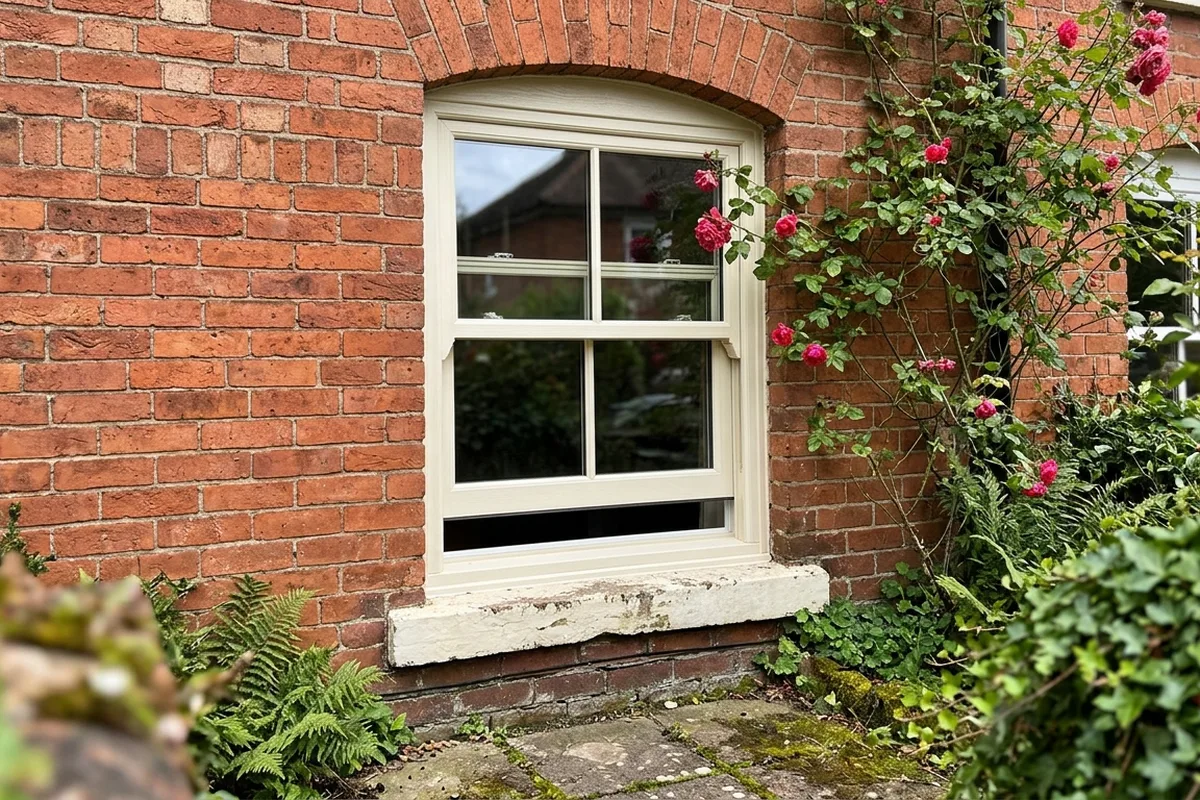
A good uPVC sash slides vertically like the original, with run-through horns, putty-line glazing beads and glazing bars set to match the house next door. In a heritage colour or woodgrain it reads as painted timber from the pavement. It needs no repainting, and it costs a little over half what a timber box sash does.
Victorian sashes in the town use more than one bar pattern, and neighbouring houses do not always match. The surveyor notes what your street actually has and copies that, rather than picking from a catalogue.
Slim aluminium sash: the premium option
Aluminium heritage sashes have narrower frames than uPVC and a fine painted finish. They cost more than uPVC, and more than the starting price of timber, so they are a choice for owners who want the slimmest sightlines rather than a way of saving money.
Timber box sash
Timber box sashes start from £2,650 installed per window. On listed buildings, and often where an Article 4 direction applies, timber is what the council will accept. Expect the paintwork to want its first refresh around three years in, and regular repainting from then on. See timber windows.
A typical job
Illustrative example of a typical job
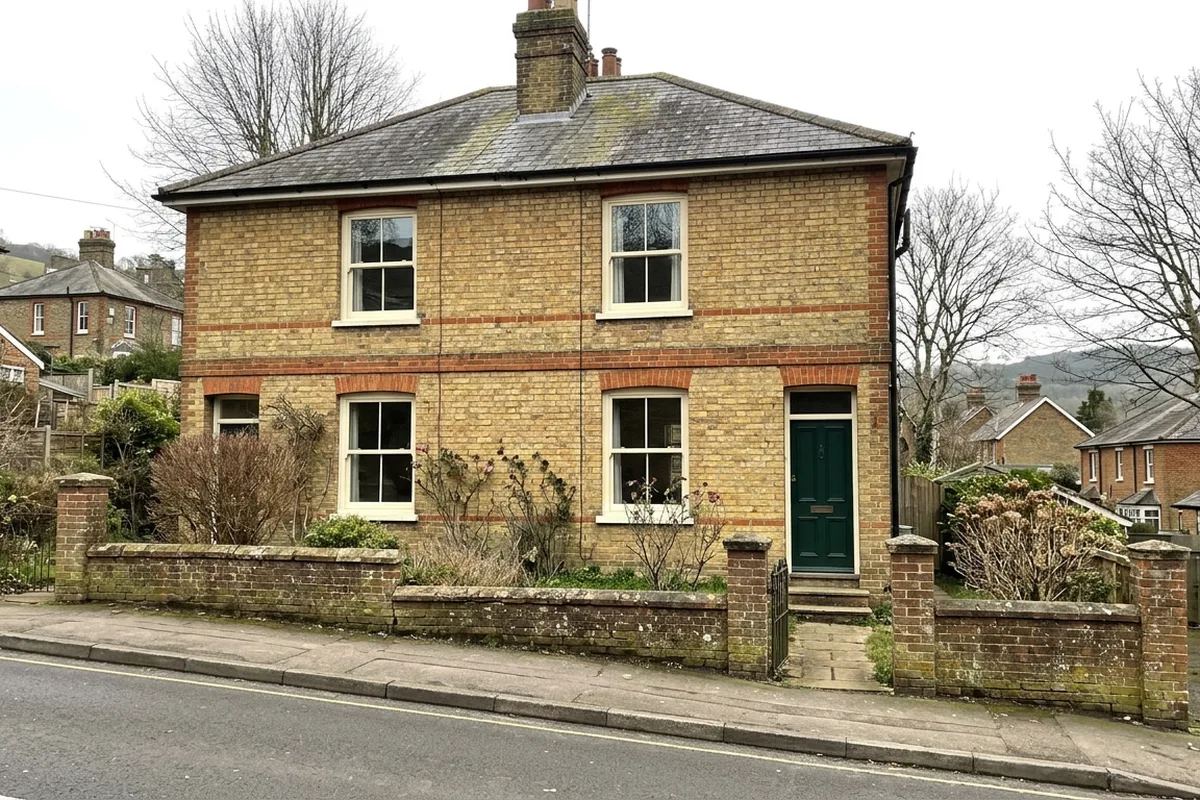
Five sashes on a Victorian semi near Tower Hill, in uPVC
After the railway reached Dorking in 1849, the National Freehold Land Society built around Tower Hill and on Arundel and Howard Roads. A semi from that period typically has four tall sashes across the front, two up and two down, and a smaller fifth sash to the side.
House
Victorian brick semi, front elevation, not listed and not under an Article 4 direction
Windows
Five uPVC vertical sliding sashes, priced at about 900 by 1800 mm each
Finish
White, two-over-two glazing bars
Included
Removal and making good; access for the first floor is assessed at survey
Typically £7,550 to £10,950, supplied and fitted, including VAT.
A similar semi with five timber sashes is the next example in the cost guide.
Ask for a survey
Tell us the street and roughly how many windows. A surveyor from the installer will look at the house, check whether anything on it needs planning permission, and quote in writing.